
Thanks to AI, creating images has become much easier. But for a brand that is just getting started, this can still feel like a big mountain to climb. This guide will walk you through the essentials, simply and clearly.
What Kind of Images Do You Need?
A few nice photos are not enough. You need a visual system one that moves a customer from “that looks cool” to “I need to buy this right now.” Successful fashion brands use three types of images. Each one does a different job.
Campaign Images (Lifestyle Shoot)
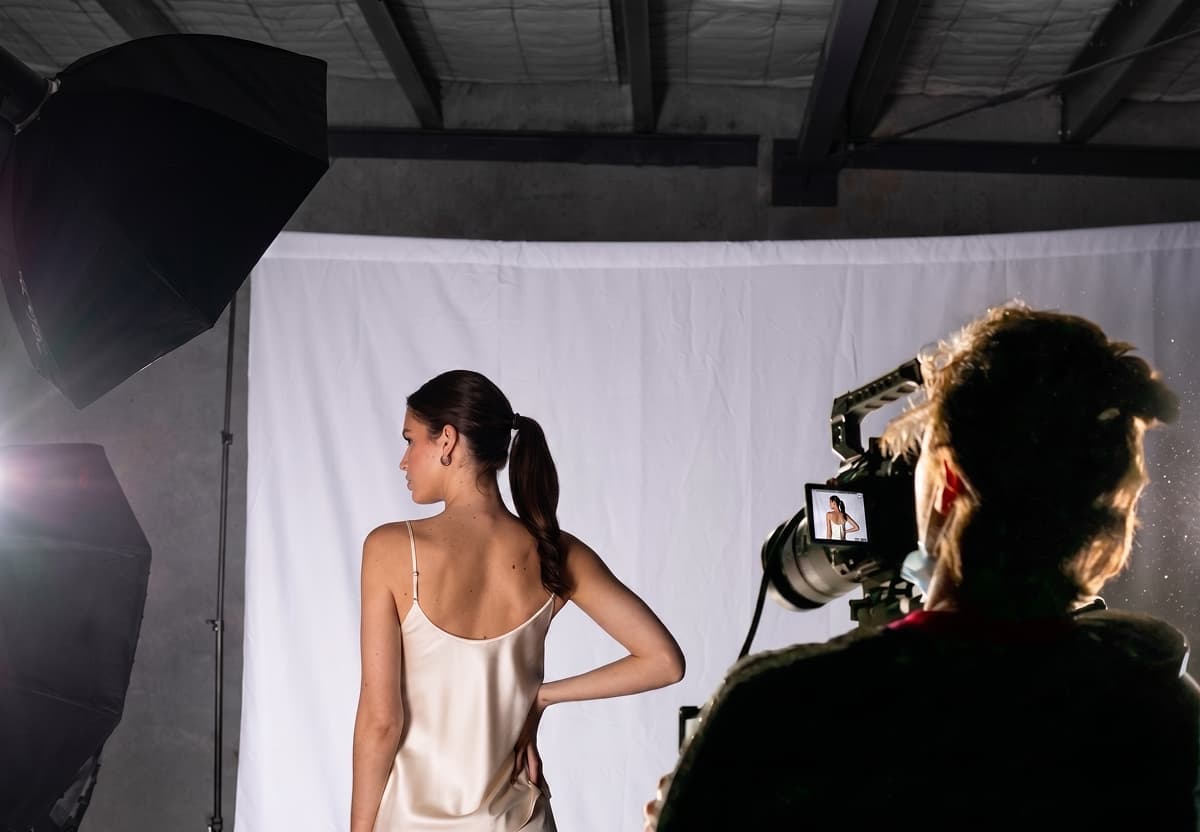
This is the heartbeat of your brand. It is the first thing a customer sees, on your homepage, your Instagram feed, or a paid ad. The goal here is not to sell a garment. The goal is to sell a feeling.Today’s trend has moved away from stiff, over-edited perfection. Small, natural moments connect far better:
- A little motion blur as someone walks
- A natural, candid laugh
- A strand of hair blowing in the wind
These things make your brand feel real and relatable, and real connects better than perfect. Whether you shoot on the street, at the beach, or in a café, show the clothes living in the world they were made for.
Catalog Shots (E-commerce Product Shoot)
After a customer notices your campaign image, they go to the product page to look more carefully. This is where the actual buying decision happens.
Here, you don’t need to be artistic. You need to be clear and honest. Shoot against a clean, neutral background:
- White, soft grey, or warm beige
- Show the front, back, and side of each garment
- Let the customer see exactly how the fabric falls, where the hem sits, and how the shoulders fit
One more thing worth noting: in 2026, static photos alone are no longer enough. Pair them with short 4-second video loops. Watching a skirt move or a jacket shift as someone walks tells the customer far more about quality than any written description ever could.
Macro Shots (Detail Shoot)
The biggest fear in online shopping is simple: “Will it look different in real life?”
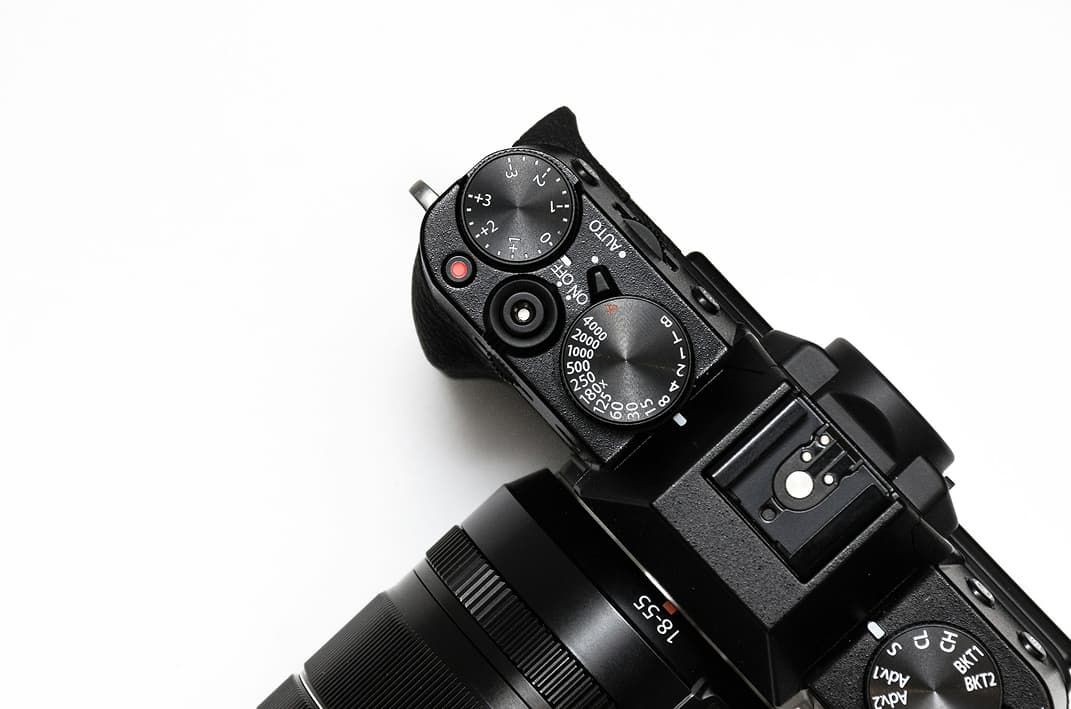
Macro shots answer that fear directly. These are close-up, high-resolution images of:
- The fabric weave and texture
- The clean lines of the stitching
- The finish and detail of a button
These shots give shoppers the confidence to go ahead and buy. If your brand works with premium materials like silk, a single well-executed macro shot can be the difference between looking cheap and looking luxury.
Who Should Be In Your Photos? Finding the Right Model
Once you know what photos you need, the next question is: who wears the clothes?
This is not just about looks. It is about brand fit, budget reality, and how much time you have. There are two main paths — and each comes with its own trade-offs.
Agency Models: Why They Cost More
Modeling agencies find, train, and manage talent. The result is a high level of professionalism:
- Agency models know their angles and move efficiently on camera
- They can work through 50+ outfits in a single day
- They maintain their energy and focus across a full 8-hour shoot
But here is something many startups don’t know, and it can catch you off guard.
Every agency works differently, but with some agencies, the contract is not a one-time arrangement. When a brand signs with an agency, the agreement may be renewed on an annual basis. That means the usage fee for the model does not stop after the first shoot. You may need to pay again each year to continue using those images.
If you are planning to use campaign photos across your website, social media, and marketing materials for the long term, this is a cost you need to factor in from the very beginning. That said, there are real advantages:
- Usage rights are clearly defined in a proper contract, no disputes later about where images can be used
- For large-scale catalog shoots where time is money, a trained professional who knows exactly what to do is worth a great deal
Freelance Models: Finding Your Brand’s Face
Freelance models work independently. Compared to agency models, they offer:
- More affordable and flexible rates
- A natural authenticity that works especially well for lifestyle and Gen Z-focused brands
- Built-in marketing potential many freelance models are also micro-influencers
If a freelance model posts a behind-the-scenes photo from your shoot, you get instant exposure to their audience at no extra cost.
Here is the honest trade-off: when you go freelance, you become the agency. The model release forms, the scheduling, the portfolio checks, that is all your responsibility. It takes more work upfront. But it also gives you full control over who represents your brand. And that kind of control is hard to put a price on.
How to Find Freelance Models on Social Media
The most practical starting point is Instagram and Facebook. Here is how to approach it:
- Search by hashtag, for example, #melbournemodel or #sydneyfashion
- Browse location tags to find models based in your city
- Look through posts from brands with a similar aesthetic to yours
Direct outreach is completely normal. A short, genuine message explaining your brand and what you are looking for gets a response more often than you might expect.
One practical tip: if you find someone whose look is perfect but they are unavailable or not quite the right fit, look at who they follow. Models tend to connect with others who share a similar style and energy. You can often find your ideal person just one or two clicks away.
The Middle Ground: Dedicated Platforms
Not ready for a full agency, but short on time to search through social media yourself? There is a third option. There are dedicated platforms that connect brands with freelance models and influencers directly. These sit between a full agency and doing everything yourself, more structured than social media, but more affordable and flexible than a traditional agency. For a startup that needs to move efficiently without overspending, this can be a smart starting point.
The Invisible Work: What Happens Before the Camera Turns On
You can book a great model and a talented photographer, and still have a bad shoot. A wrinkled shirt, a missing accessory, or a disorganised rack of clothes can slow everything down and show up in the final images. The difference between an amateur shoot and a professional one is almost always the preparation.
Build Your Lookbook Bible
Before the shoot, create a digital mood board and a written run sheet:
- List every outfit, which shoes go with which top, which accessories complete each look
- Share this with your model and photographer in advance
- The moment someone asks “what shoes are we using for this one?” on shoot day, your schedule starts falling apart
Your Steamer is Your Most Important Piece of Equipment
Every garment must be steamed or ironed to perfection before the shoot:
- Wrinkle shadows are extremely difficult to remove in editing
- This is especially true for delicate fabrics like silk and linen
- Creases show up immediately on camera, don’t leave this until the morning of the shoot
Prepare a Fit Kit
Pack the following and keep it on hand at all times:
- Clips and clamps
- Fabric tape
- A lint roller
Sample sizes won’t always fit your model perfectly. These tools let you create a tailored look from behind the camera. Also tell your model in advance exactly what undergarments to wear for each outfit. Don’t assume, always confirm.
Set Up a Clothing Flow System
In a studio, clothes getting mixed up wastes time fast. Keep things moving smoothly:
- Use two separate racks, one for To Be Shot and one for completed
- Label each look with a number
It sounds simple. But it keeps the whole day running on schedule.
Your Brand Asset
Building your visual identity does not happen in one shoot. But when you approach it with the right structure from the start — knowing what photos you need, choosing your models strategically, and investing in the preparation that nobody sees — your images become more than content. They become a brand asset that speaks to your customers while you sleep.
